
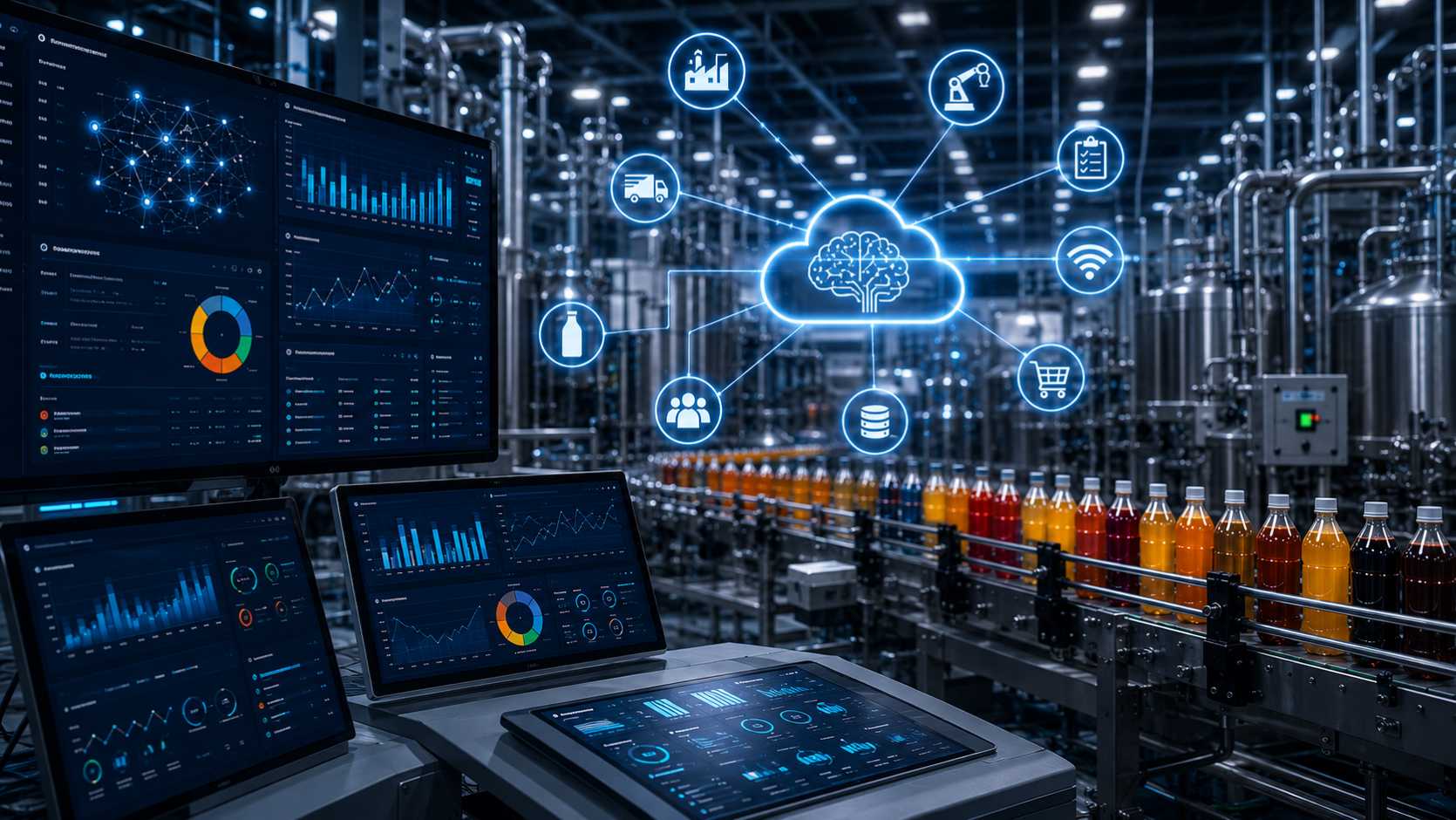
The beverage industry has entered a new era where competitive advantage is driven not only by automation but also by intelligence.
Every beverage dispensed, ingredient consumed, inventory movement recorded, and customer interaction creates valuable operational data. Yet, while many organizations collect vast amounts of information, only a small percentage transform that information into meaningful business intelligence.
Modern food and beverage analytics platforms allow organizations to move beyond historical reporting and embrace real-time operational visibility, predictive forecasting, and data-driven decision-making.
At Seashore Solutions, we help organizations build connected beverage ecosystems where operational data flows seamlessly across devices, software platforms, and enterprise systems creating a digital nervous system that improves efficiency, profitability, and scalability.
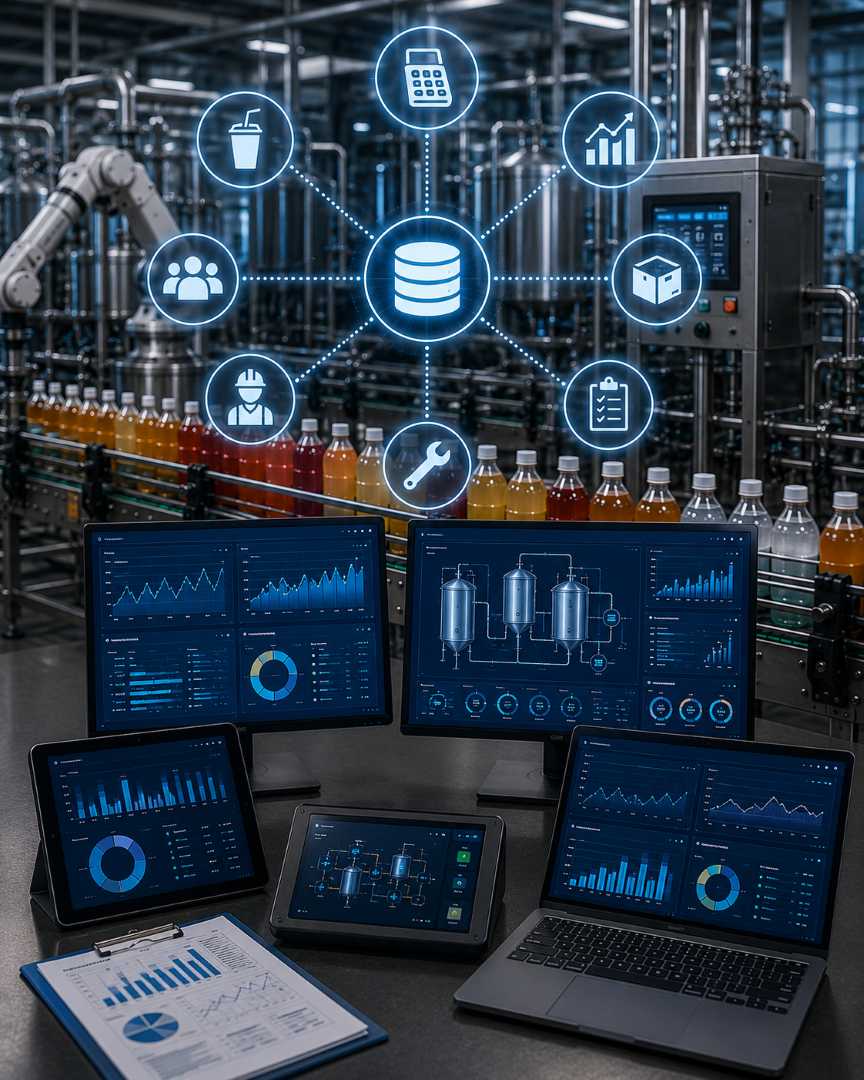
Why Beverage Data Is More Valuable Than Ever
Every beverage transaction generates a series of operational events.
Examples include:
- Beverage sales transactions
- Ingredient consumption rates
- Device utilization statistics
- Inventory movement
- User interactions
- Labor activities
- Equipment health monitoring
- Maintenance records
Individually, these events may appear insignificant.
However, when aggregated across multiple dispensing systems and locations, this information becomes a strategic business asset that supports smarter operational decisions.
Organizations investing in beverage data analytics are gaining a clearer understanding of customer behavior, operational efficiency, and long-term growth opportunities.
The Hidden Value of Dispensing System Data
A single beverage dispensing station can generate thousands of operational records every day.
These records commonly include:
Tracking dispense time helps identify performance issues, product inconsistencies, and equipment inefficiencies.
Understanding customer beverage preferences allows operators to optimize menus and improve inventory planning.
Real-time ingredient tracking provides accurate inventory visibility and reduces waste.
Monitoring operator activity improves accountability and operational consistency.
Equipment warnings and fault notifications enable faster troubleshooting and preventive maintenance.
Historical service records provide valuable insights for equipment lifecycle management.
When these datasets are consolidated across an enterprise, businesses gain a comprehensive view of their operations.
Building the Beverage Data Pipeline
Creating an intelligent beverage platform requires a structured data architecture.
Modern beverage industry software typically includes four major layers.
-
1. Edge Data Collection
The first layer captures information directly from dispensing equipment and connected devices.
Typical data sources include:
- Flow sensors
- Temperature sensors
- Pressure sensors
- Dispensing transactions
- Device health information
- Inventory measurements
Capturing information at the edge enables faster processing while reducing latency.
-
2. Real-Time Streaming Layer
After data collection, information is transmitted through an event streaming architecture.
This layer processes operational events in near real-time and supports rapid decision-making.
Common technologies include:
- MQTT
- Apache Kafka
- Event Hubs
- Message Queues
- IoT Gateways
A real-time streaming layer enables beverage businesses to react immediately to operational changes and equipment conditions.
-
3. Centralized Data Warehouse
A modern operational intelligence platform requires a centralized repository for storing historical and operational information.
Data warehouses support:
- Historical trend analysis
- Multi-location reporting
- Inventory forecasting
- Performance benchmarking
- Business intelligence dashboards
Centralized storage ensures that operational data remains consistent and accessible across the organization.
-
4. Analytics and Visualization Layer
The final layer converts raw data into meaningful insights.
Modern operational dashboards provide visibility for:
Monitoring daily performance, inventory status, and equipment utilization.
Tracking system health, device performance, and maintenance requirements.
Reviewing revenue trends, profitability, and strategic business KPIs.
Dashboards should focus on operational outcomes rather than simply displaying large amounts of raw data.

Predictive Inventory Management: Moving Beyond Reactive Operations
Traditional inventory systems are reactive.
Products run low, operators place orders, and businesses respond after problems occur.
Modern predictive inventory management systems work differently.
Using historical data and real-time consumption patterns, advanced software can forecast:
- Ingredient demand
- Seasonal purchasing trends
- Consumption behavior
- Reorder timing
- Safety stock requirements
The benefits include:
- Reduced stockouts
- Lower excess inventory
- Improved cash flow
- Better production planning
- Higher customer satisfaction
Accurate inventory forecasting allows beverage businesses to maintain the right inventory levels while minimizing waste.
-
Operational Intelligence Dashboards That Drive Business Results
The most successful beverage companies focus on dashboards that measure business performance rather than vanity metrics.
Important operational KPIs include:
Measures profitability across individual locations and equipment.
Tracks margins based on ingredient costs and sales performance.
Identifies discrepancies between expected and actual consumption.
Monitors how efficiently dispensing assets are being used.
Ensures operational standards and customer experience targets are consistently achieved.
An effective operational intelligence platform transforms these metrics into actionable recommendations that support better decision-making.
-
The Growing Role of Industrial IoT Analytics
Connected beverage systems increasingly rely on industrial IoT analytics to improve operational visibility.
Industrial IoT technologies provide:
- Continuous equipment monitoring
- Remote diagnostics
- Real-time sensor analytics
- Predictive maintenance capabilities
- Automated alerts and notifications
This connectivity enables businesses to identify issues before they impact operations.
Instead of reacting to equipment failures, operators can schedule maintenance proactively, reducing downtime and extending equipment life.
-
AI and Machine Learning in Beverage Operations
Artificial intelligence is becoming an important component of next-generation beverage platforms.
Emerging applications of AI in food manufacturing include:
Predicting future beverage sales based on historical and seasonal trends.
Using sensor data to anticipate equipment failures before they occur.
Automatically adjusting purchasing and stocking strategies based on real-time demand.
Identifying unusual dispensing behavior, ingredient losses, or operational inconsistencies.
However, successful AI initiatives depend on one critical factor:
High-quality, reliable data.
Without a solid data foundation, even the most advanced AI systems will struggle to deliver meaningful business value.
-
Engineering Lessons Learned: Building a Strong Data Foundation
Many analytics initiatives fail because organizations focus on dashboards and AI before establishing reliable data infrastructure.
Successful beverage data projects typically follow this progression:
Ensure sensors, dispensing systems, and devices generate accurate information.
Connect POS systems, inventory platforms, ERP software, and cloud applications.
Establish standards for data quality, security, and consistency.
Create dashboards that support operational and business decisions.
Apply machine learning only after reliable data pipelines are established.
Following this sequence significantly increases the success rate of digital transformation initiatives.
-
The Future of Beverage Technology Is Intelligence
The next generation of beverage operations will not be defined by automation alone.
The real competitive advantage lies in:
- Connected devices
- Real-time analytics
- Predictive inventory management
- Industrial IoT platforms
- AI-powered insights
- Enterprise-wide operational visibility
Organizations investing in intelligent, connected systems today are building a strong foundation for future growth and operational excellence.
Conclusion
Beverage businesses generate an extraordinary amount of operational data every day. The challenge is no longer collecting information it is transforming that information into meaningful intelligence.
By combining food and beverage analytics, predictive inventory management, industrial IoT analytics, and AI-driven insights, organizations can create a powerful digital ecosystem that improves efficiency, reduces costs, and enhances customer experiences.
At Seashore Solutions, we design intelligent beverage software platforms that connect equipment, data, analytics, and enterprise systems helping businesses transform dispensing data into operational intelligence and long-term competitive advantage.